
Inside a Quality Concrete Pool Build: How Aroona Guides You From Excavation to Handover

Anyone who has lived through a home renovation knows that building work gets stressful the moment communication drops off. When you are putting a permanent concrete basin in the middle of your backyard, you want to know who is turning up next Tuesday, why a certifier needs to inspect the steel before concrete arrives, and what happens if the excavator hits sandstone half a metre down.
Most families we talk to at our Seven Hills office or Top Ryde kiosk tell us the same story. They have looked at plenty of finished pool photos online, yet they have very little idea how a bare patch of lawn actually becomes a finished swimming pool. At Aroona Pools & Spas, we assign a dedicated project manager to every build so you are never left chasing plumbers, concreters, or tilers on your own. Below is a straightforward look at how our team handles the swimming pool construction process across Greater Sydney and Canberra, stage by stage.
Quick Take: A standard concrete pool build in Sydney moves through five main phases: site checks and council approvals, excavation and sprayed shotcrete, waterline tiling and stone coping, filtration equipment fit-off, and final interior rendering before handover. Most builds take roughly 12 to 18 weeks on site once approvals clear, depending on weather, soil conditions, and custom finishes.
What to Expect Along the Way
-
Every site starts with a physical measure, access check, and review of your sewer and boundary diagrams so the quote reflects your real yard.
-
Your concrete shell is reinforced with tied steel and sprayed pneumatically on site, then left to cure properly before tiling begins.
-
Aroona fits energy-saving Astral filtration gear and an acoustic box as standard, keeping power costs down and equipment quiet near boundary fences.
-
Before we sign off, we clean the site, balance your water chemistry, and walk you through daily care in person.
Stage 1: Site Assessment, Approvals, and Transparent Quoting
Good swimming pool construction Sydney projects start with paperwork and a tape measure, well before any machinery rolls up the driveway. During our initial visit, we walk the yard with you to check side-access width, slope, overhead powerlines, and overhanging trees. We also pull up your property’s Title Diagram and Sydney Water Sewer Service Diagram.
Those two documents tell us a lot right away. They show how close your pool can sit to neighbouring fences and whether a sewer pipe runs under the lawn. From there, we confirm if your build qualifies for a fast-track Complying Development Certificate (CDC) or needs a full council Development Application (DA). Our team coordinates the structural engineering drawings, BASIX paperwork (if your pool holds 40,000 litres or more), and certifier lodgements on your behalf.
If you are still weighing up dimensions or extras like a raised feature wall before booking a site visit, you can run rough numbers through our online estimator. To explore your options, use the pool cost calculator or book a site visit.
Stage 2: Excavation, Steel Reinforcement, and the Sprayed Concrete Shell
Once approvals come back, the real transformation begins. Our crew marks the pool outline on your grass with spray paint so you can stand on the back patio and see the exact footprint in real life before the first bucket of soil comes out.
Sydney soil varies wildly from one suburb to the next. Across parts of Western Sydney and the Hills District, we often dig through reactive clay, while Northern Beaches and North Shore blocks frequently hide shallow Hawkesbury sandstone. If we hit rock, we bring in rock-sawing or hydraulic hammering gear to keep cuts clean and limit vibration near neighbouring homes.
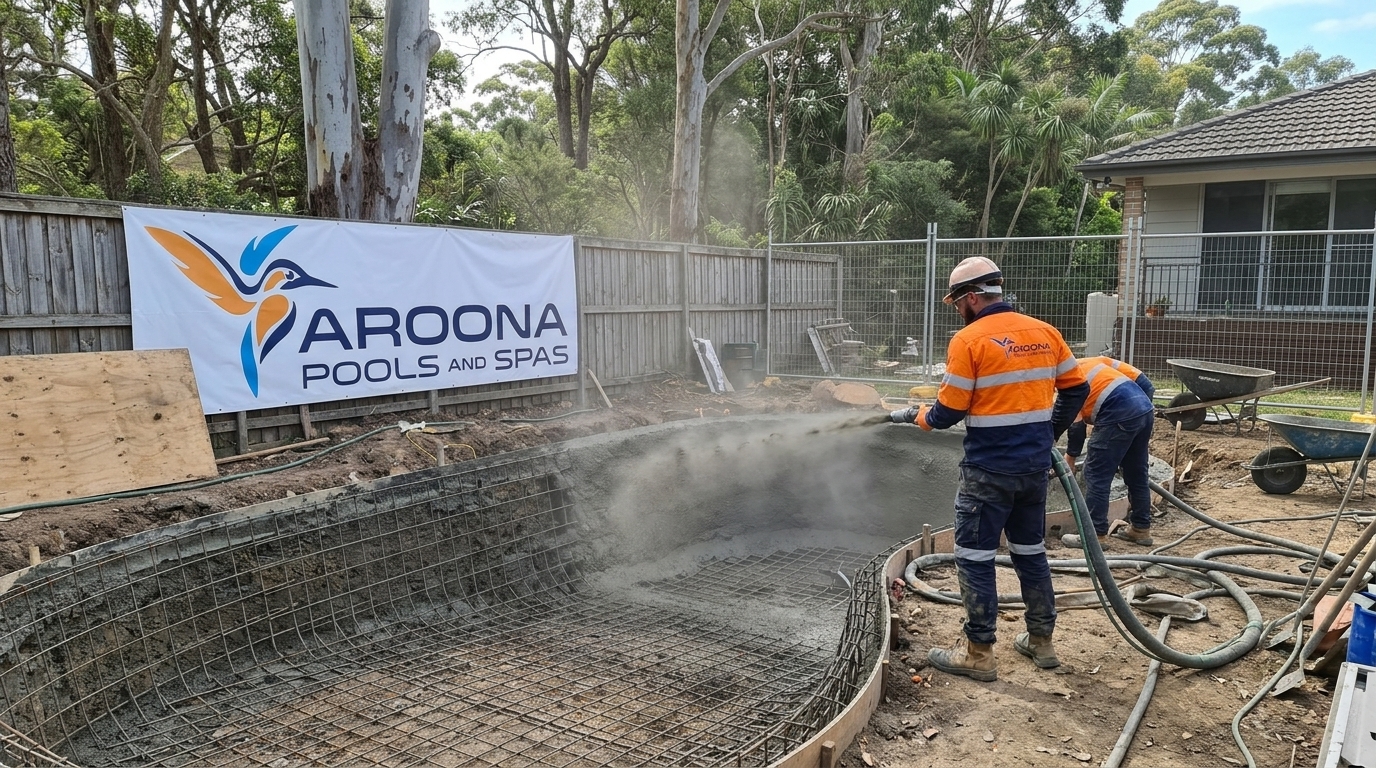
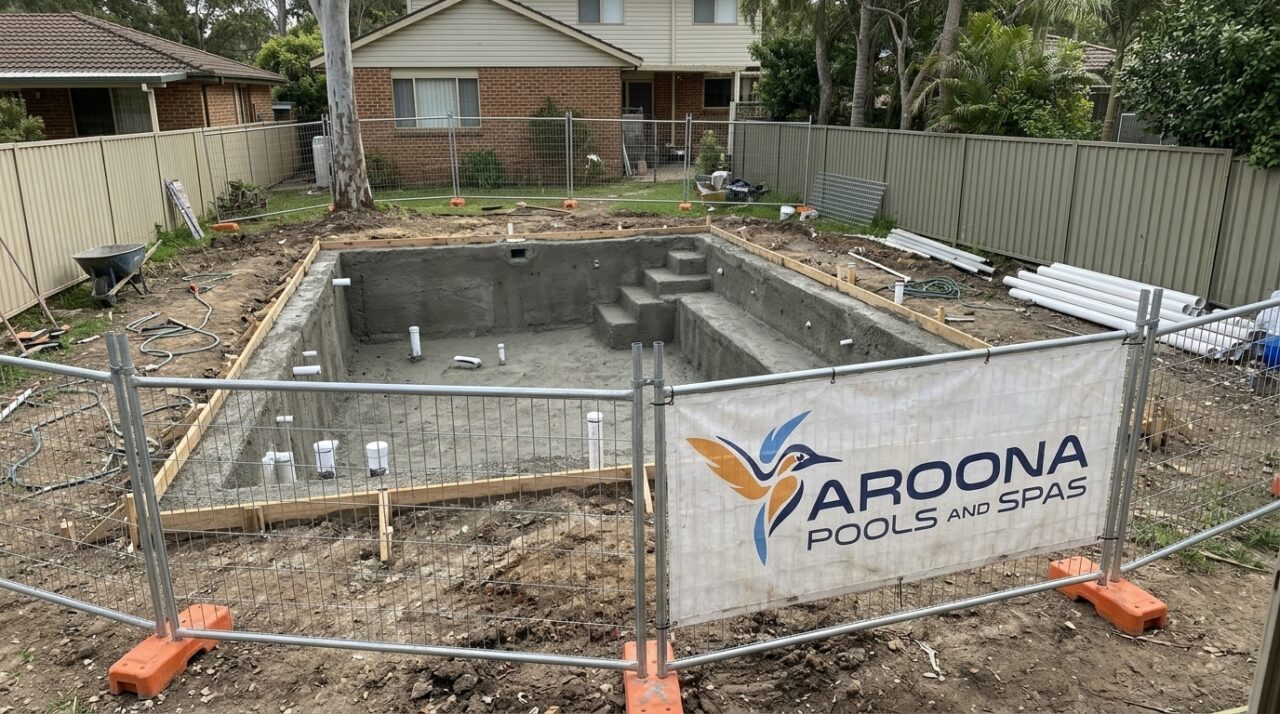
After the hole is trimmed to shape and the underground plumbing lines are laid in, our steel fixers weave a heavy-duty cage of steel reinforcement bars across the floor and walls. At this point, work pauses briefly for a mandatory certifier inspection. Once the certifier signs off on the steel, the shotcrete truck arrives. Sprayed concrete is applied at high velocity to form a single solid shell with no weak joins. For the first week after spraying, we ask homeowners to hose the concrete down each day so it cures slowly and reaches full structural strength.
Stage 3: Coping, Waterline Tiling, and Interior Finishes
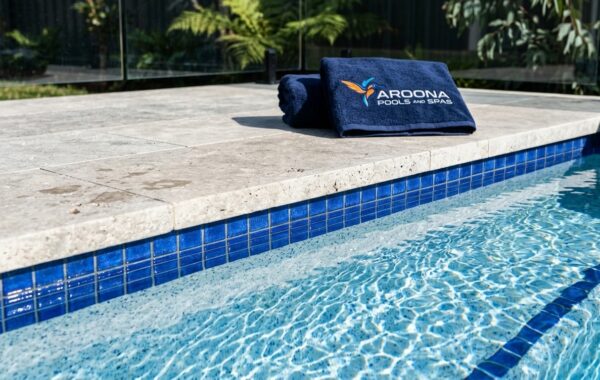
With the concrete cured, the backyard stops looking like a building site and starts looking like a pool. We begin by setting the perimeter level and laying your coping tiles along with a standard 400mm wide walkway around the edge. Ceramic waterline tiles go on next. Aside from framing the water colour, glazed waterline tiles make wiping away sunscreen and leaf marks much easier over the years.
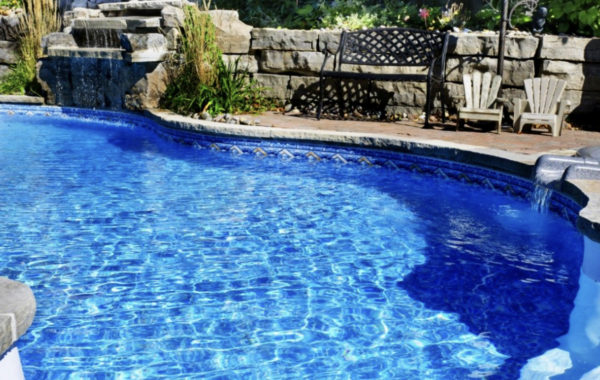
The interior finish goes on last, right before the pool is filled. Many of our clients across concrete pools Sydney builds choose a classic pebble blend like NZ white with two blues, which produces a bright, natural water colour and feels comfortable underfoot. Others opt for darker quartz aggregates or full ceramic tiling depending on the look of their home. Because cement-based interiors need to cure underwater, the hoses go in almost immediately after the surface is washed back.
Stage 4: Quiet, Energy-Efficient Filtration Fit-Off
A pool is only as enjoyable as the equipment keeping it clean. Poorly sized pumps chew through electricity and can drive neighbours mad if they drone on next to a fence line.
In a standard concrete pool installation Sydney families expect gear that lasts without blowing out quarterly power bills. That is why Aroona includes a matched Astral filtration package as standard:
-
An Astral variable-speed energy-efficient pump that runs quietly on lower speeds during daily filtration.
-
An Astral CA280 sand filter loaded with glass media, which traps finer dust particles than old silica sand and lasts much longer before needing replacement.
-
An Astral EQ18 chlorinator to keep sanitation steady with minimal hands-on dosing.
-
A dedicated acoustic box to house the equipment and dampen operational noise.
If you want to go a step further during construction, we can also add pH and chlorine sensors, a Zodiac VX45 robotic cleaner, or heater plumbing provisions so connecting an electric heat pump later requires zero cutting into concrete.
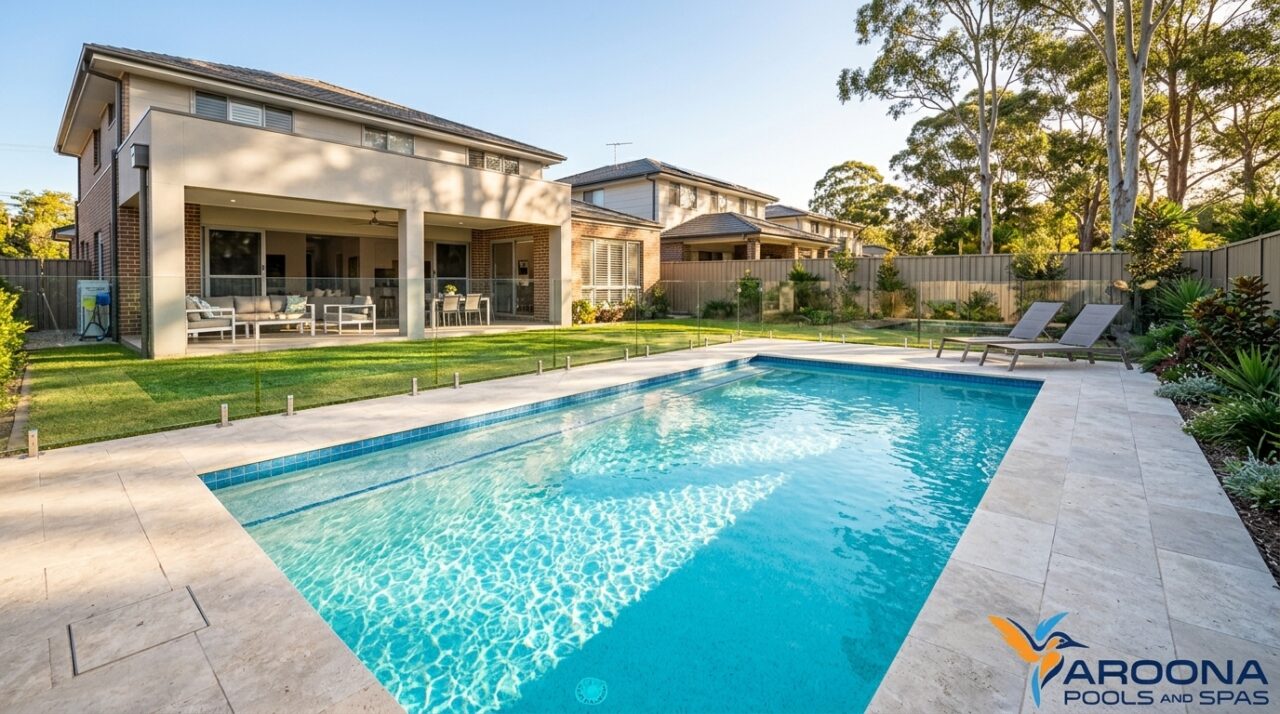
Stage 5: Final Clean, Water Balancing, and Personal Handover
Before we call a job finished, your safety barrier goes in and passes its final compliance inspection. Our crew then completes an end-of-project site clean to clear leftover building materials, balances the pool water chemistry, and sets up your pump timer schedules.
Your dedicated project manager then meets you poolside for a proper handover. We supply a manual cleaner and a water test kit, show you how to check your baskets and chlorinator settings, and answer every question until you feel completely confident running the system yourself.
Council Rules, Safety Barriers, and Compliance Checks
Every residential build in New South Wales and the ACT must clear strict statutory checks before anyone goes for a swim. Our approvals team manages these milestones alongside your certifier:
-
NSW Planning Portal: Covers both Complying Development Certificates (CDC) and local council Development Applications (DA). Under a CDC, the internal waterline must sit at least 1.0 metre off side and rear boundaries.
-
Standards Australia (AS 1926.1): Sets the national safety barrier rules, including a 1.2-metre minimum external fence height, a 900mm Non-Climbable Zone kept free of pot plants or footholds, bottom gaps under 100mm, and outward-swinging self-closing gates.
-
NSW BASIX: Mandatory water and energy sustainability certificate for any new NSW pool or pool-and-spa holding 40,000 litres or more.
-
NSW Swimming Pool Register: Your pool must be registered on the state database before the Occupation Certificate can be issued.
-
ACT Government Planning: For our Canberra clients, pools located behind the front building line with at least a 1.5-metre side and rear boundary setback generally qualify for DA exemption, though formal Building Approval from a licensed certifier is still required for any pool deeper than 300mm.
-
SPASA Australia: Industry standards and residential construction guidelines we follow to ensure structural and hydraulic workmanship holds up long term.
Common Questions About Building a Concrete Pool
How long does concrete pool construction take in Sydney?
Once your CDC or DA is approved, physical construction on a straightforward site usually runs between 12 and 18 weeks. Steep sloping blocks, heavy sandstone excavation, fully tiled interiors, or stretches of wet Sydney weather can add a few extra weeks to the schedule.
Do I need to stay home during the build?
Not at all. As long as our trades have clear gate access and a working garden tap and outdoor power point, your dedicated project manager coordinates deliveries, inspections, and site access while you get on with work and family life. We always give you advance notice on big days like excavation and concrete spraying so you can keep cars clear of the driveway.
What happens if you hit rock when digging my pool?
Because nobody can see underground without borehole drilling, rock excavation is quoted separately at agreed plant rates. If our excavator hits solid sandstone, your project manager stops, shows you exactly what we have found, and confirms the plan and cost before bringing in rock-breaking gear.
Can I come and look at finishes before signing a contract?
Yes. You can book a backyard visit or drop into our Seven Hills office at 4/2 Anvil Road, Seven Hills, or our Top Ryde kiosk on B2 Level of Top Ryde Shopping Centre (next to Austgrade Swim School) to see tile samples and talk through your house plans in person.
Ready to Plan Your Build?
Having a copy of your Title Diagram and Sewer Service Diagram handy makes your first chat with our team much more productive, because we can check boundary setbacks and pipe locations on the spot.
To explore your options, use the pool cost calculator or book a site visit.
Contact the Aroona Pools and Spas team or call (02) 9460 0737 directly.
Follow us on our socials, Facebook & Instagram, for more tips and updates.
Local Compliance Note: Council setback rules, heritage conservation overlays, bushfire-prone land (BAL) ratings, tree preservation orders, and easement restrictions vary across Greater Sydney councils (including The Hills Shire, Northern Beaches Council, City of Ryde, and North Sydney Council) and ACT Planning, and require site-specific assessment during architectural drafting.